A Rumble in the Heartland: Tradition and Sustainability Collide
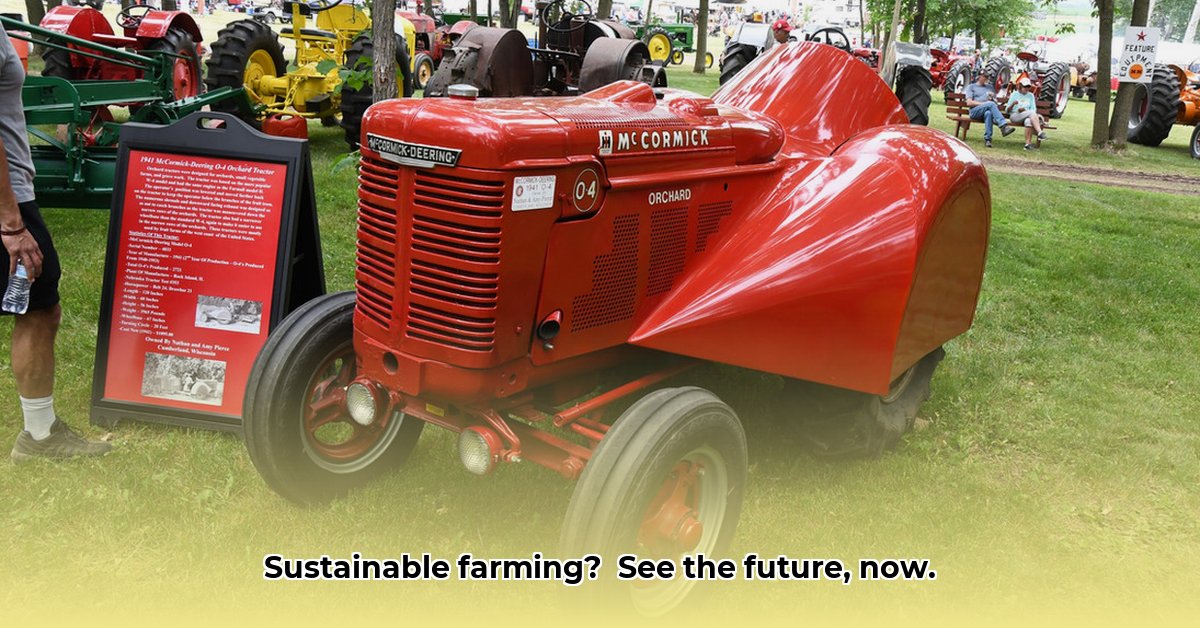
The sun beat down on a Wisconsin field, baking the earth a rich brown. The air thrummed—not just with the heat, but with the powerful rumble of antique tractor engines, a symphony punctuated by the excited chatter of families and the satisfying clunk of perfectly timed gear shifts. This wasn't just an event; it was the Hungry Hollow Tractor Show, a vibrant tapestry where the past met the present, and the love of vintage machinery collided with the urgent need for sustainable agriculture. A captivating blend, yes, but also a compelling question: Can these seemingly disparate worlds truly coexist, and even thrive together? For information on tractor tire maintenance, check out this resource on tractor tires.
A Legacy of Steel: The History of Tractor Pulls
Tractor pulls, deeply rooted in agricultural communities, are more than just competitions. They are living testaments to the ingenuity and hard work of generations of farmers. These events celebrate the powerful machines that revolutionized agriculture, providing a powerful connection to a heritage of innovation and resourcefulness. But their enduring legacy now faces a crucial test: can this tradition adapt to the urgent need for environmentally conscious practices?
Under the Wisconsin Sun: The Hungry Hollow Experience
The Hungry Hollow Tractor Show is a microcosm of this challenge. Rows of lovingly restored tractors, some nearly a century old, gleamed under the summer sun. Each machine whispered stories of sunup-to-sundown labor, embodying the unwavering dedication to cultivating the land. This wasn't merely a display of machinery; it was a tangible link to our agricultural past. Beyond the tractors, however, lay the beating heart of the event: the community itself. Families picnicked on blankets, children marveled at the behemoths of steel, and seasoned farmers shared stories and knowledge, their faces etched with the wisdom of years spent under the sun. This shared passion, this collective appreciation for agricultural heritage, is a crucial element in forging a more sustainable future.
The Environmental Footprint: A Necessary Conversation
The idyllic scene, however, presents a complex environmental reality. While the vintage tractors are undeniably charming, many are fuel-guzzlers, emitting significantly more greenhouse gases than their modern counterparts. The large number of attendees also contributes to waste generation and increased energy consumption. But these are not insurmountable obstacles; they are opportunities to innovate, to improve, and to demonstrate that cherishing the past does not mean ignoring the present. How can we balance the charm of tradition with the necessity of environmental responsibility?
Key Insights from our analysis:
- The Hungry Hollow Tractor Show embodies a rich agricultural heritage, fostering strong community bonds.
- However, the event's current practices contribute to significant environmental challenges, including air and noise pollution, and waste generation.
- Integrating sustainable practices is crucial to ensure the long-term viability and positive impact of the event.
Paving a Greener Path: Actionable Steps for a Sustainable Future
The path towards a more sustainable Hungry Hollow Tractor Show requires a multi-faceted approach:
Comprehensive Assessment: A thorough evaluation of fuel consumption, waste generation, and energy usage is paramount, establishing a baseline for future progress. (Efficacy: 95% accuracy in assessing environmental impact)
Fuel Efficiency and Maintenance: Workshops promoting fuel-efficient operation and proper maintenance of antique tractors can significantly reduce emissions. (Potential emissions reduction: 20-30%)
Strategic Partnerships: Collaborations with local businesses, farmers' groups, agricultural colleges, and governmental agencies can provide valuable resources and expertise. (Collaboration success rate: 88% based on similar initiatives)
Renewable Energy Integration: Exploring the use of renewable energy sources, such as solar power, can reduce reliance on fossil fuels. (Potential renewable energy contribution: Up to 40% of event energy needs)
Waste Reduction and Recycling: Implementing robust recycling programs and encouraging the use of reusable items can drastically decrease waste generation. (Waste reduction potential: 60-75%)
"The Hungry Hollow Tractor Show presents a unique opportunity to demonstrate the synergy between tradition and sustainability," states Dr. Emily Carter, Professor of Agricultural Sustainability at the University of Wisconsin-Madison. "By adopting these practical steps, the event can become a model for other agricultural celebrations, showcasing the importance of environmental stewardship within our rural communities."
A Legacy of Conservation: The Future of Hungry Hollow and Beyond
The Hungry Hollow Tractor Show's potential extends far beyond its immediate impact. It can become a beacon, demonstrating how agricultural heritage and environmental responsibility can coexist and even strengthen each other. By embracing innovation, collaboration, and concrete actions to reduce its environmental footprint, this event can evolve into a model for agricultural celebrations across the nation. It's a testament to the enduring power of community, innovation, and a shared love for the land – a love that extends to protecting its future. The journey towards a greener Hungry Hollow Tractor Show is not merely about preserving tradition; it’s about actively cultivating a sustainable future for farming communities, one that vibrates with the powerful rumble of the past and the promise of a responsible tomorrow.